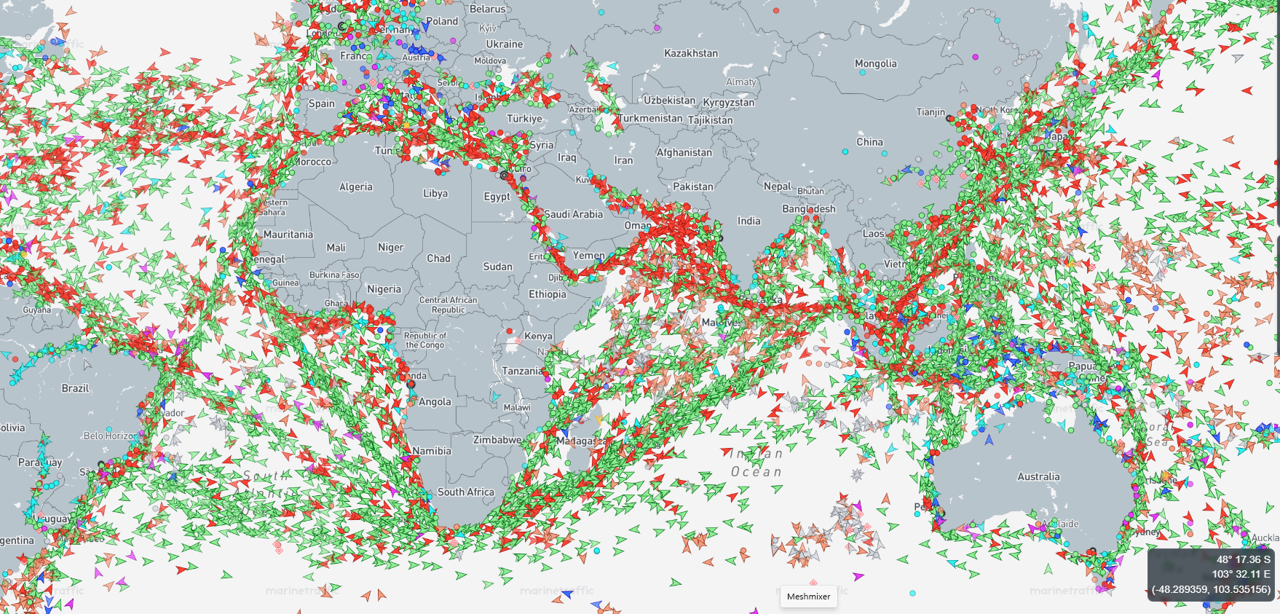
The recent war with Iran has clearly rattled markets, especially crude oil. But let’s put this in perspective and keep it there. The total cost to transport oil by tanker is less than $5 per barrel, so why the hell is there such a kerfuffle about the Strait of Hormuz? If war persists or the risks remain high, other providers will supply the needs.
But, the press (trying to damage Donald Trump) beat a dismal drum of fear. How about these quotes from the New York Times: “Nearly two weeks into the conflict, the war in Iran has triggered “the largest supply disruption in the history of the global oil market,” the International Energy Agency said on Thursday. That comes despite an agreement among world leaders on Wednesday to release some 400 million barrels of oil from their strategic reserves. Here’s what else to know: A spokesperson for Iran’s military command warned on Wednesday that oil could reach $200 barrel, far exceeding previous records. The U.S. energy secretary, Chris Wright, said that’s unlikely.
Those mentioned in this New York Times article apparently have a very short memory. They forgot about the energy embargoes of the early 1970s and the big one in 1978/1979 that reshaped energy policy for decades. Some of you must remember that our country rationed gasoline.
The graphic at the top of this blog is a screenshot from my boat tracking software, which tracks ships at sea. The current Iranian situation is a fart in a windstorm … you can only smell it if you are close to it. Yes, there will be a short-term disruption. They attacked their neighbors and thereby destroyed the oil cartel they were a part of. Plus, as this article in the WSJ points out, the constant threat of Iranian ship disruption has already been priced into everything.
So, the fundamental laws of supply and demand will correct that, and they do not support prices above $100 a barrel for more than a week or so. Their threats to hobble the world should be a wakeup call to finish this job and restore some level of peace and security for everyone else in that region and the world.
Iran can put all the mines they want in their backyard and think they have cornered the world, but they will come up short in the long run, having destroyed their credibility on the world stage to ever be considered a trustworthy partner on anything with any of their neighbors. Then, those who have been supporting Iran (China and Russia) will be tainted by their support and suffer long-term trust issues … and they both have little left to lose.
The situation reminds me of the final confrontation in the Disney PIXAR movie A Bug’s Life where Hopper (a grasshopper), the ant’s adversary, has Flik (the unlikely bumbling ant innovator) publicly beaten and proclaims the ants are lowly life forms who live only to serve the grasshoppers as slaves. Flik asserts Hopper actually fears the ant colony, because he has always known what they are capable of if they work together against the grasshoppers. This inspires the ants to take control, freeing them from their masters.
The laws of supply and demand do create price volatility in free markets. Volatility is precisely what traders love, because it causes both suppliers and users to protect themselves. So, they are delighted and applaud the press for amplifying fears.
Smart people don’t flinch … they simply hedge where they can and choose options. One of them will be to stop buying from those who are behind these disruptions, and that market discipline will be unrelenting over time.
Principled people make tough decisions about relationships. I still remember when I was pitching a demand response trading platform to a large energy retailer. Things looked positive until he told me that if I succeeded in recruiting the large demand response opportunities in his region, he would pay us our up-front fee but not a penny for operations because he was not going to message them when markets went into constraint.
Appalled, I closed my notepad, told him I would not be a part of anything that restrained free trade, which is a federal crime, and walked out of his office. That contemptible conversation still plays in my head.
Remember this when you face volatile markets. There are all too many people in free markets who are delighted with the world situation. There are all too many in our country searching for anything bad they can pin on our president … even if it causes harm to Americans when they do so. TDS is absolutely real.
It is always darkest just before the dawn. Don’t flinch. Don’t get mad … just get even. Tough situations offer us an unvarnished look at who are truly our friends and partners, and who is simply out for their own good.
Knee jerk reactions in the short run are just what Iran wants us to feel and do. I know this is scary to many … but also remember that this fear has hobbled our past efforts to bring long term peace to the region and the world.
Great blog and subject matter!